Three neighbouring residential areas, one important decision: which location and which home best match the way you want to live in Torrevieja?
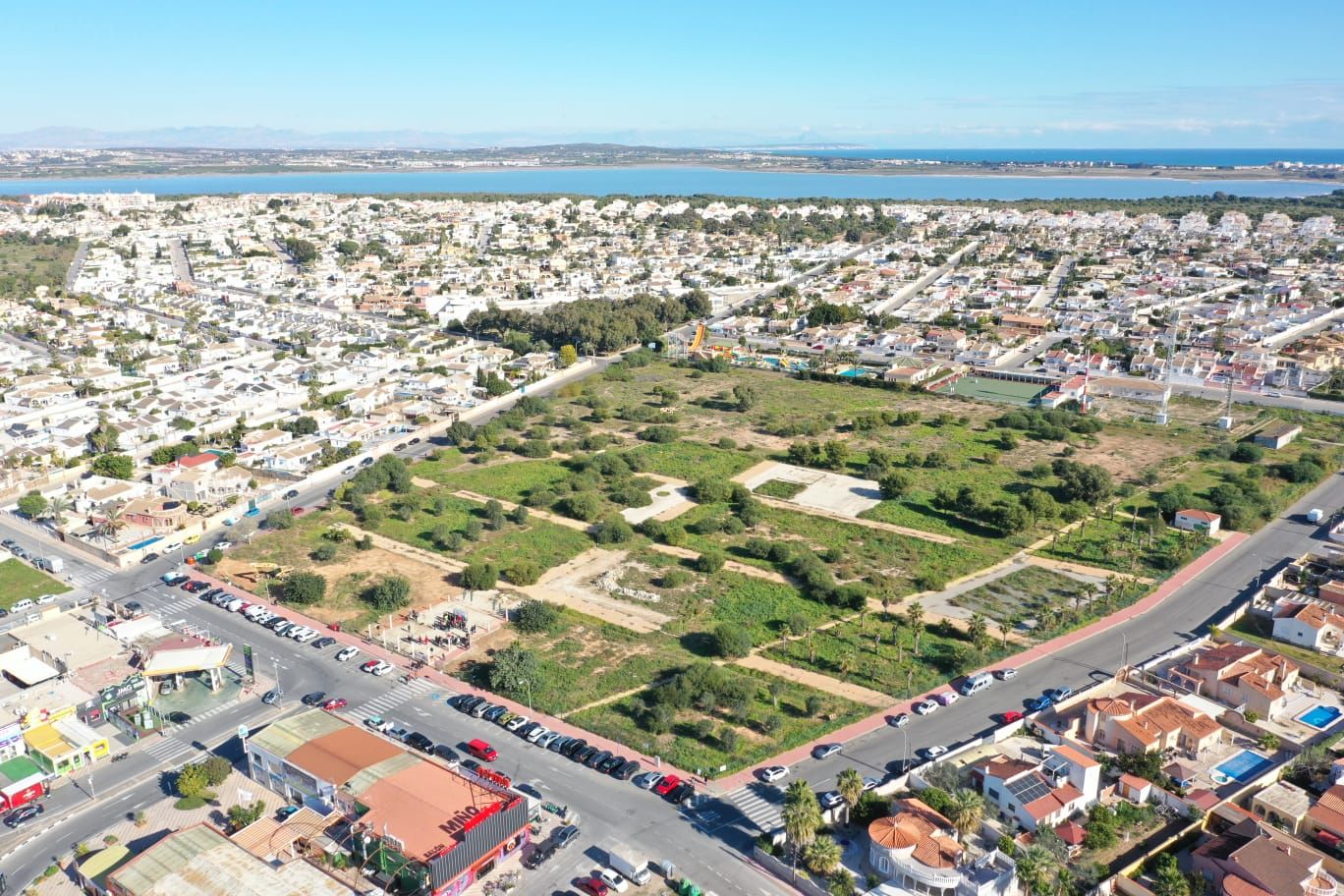
La Siesta, San Luis and El Chaparral are commonly considered together within northern Torrevieja, but a property search should still focus on the exact street, surroundings and everyday routes.
For buyers comparing a permanent home, a second residence or a base for longer stays, the useful questions are practical. How does the immediate setting feel at different times of day? Is the outdoor space suitable for the way you will use it? What maintenance is involved? Which journeys will form part of your normal routine?
The right answer depends on the individual property as much as the wider area. This guide helps you organise those checks before arranging viewings.
Compare exact streets, not only area names.
Visit at a time that reveals light, access and activity.
Review the home, documents and total costs together.
Use these sections as a viewing framework. The final choice should be based on the specific home and its immediate surroundings, not on assumptions about an entire neighbourhood.
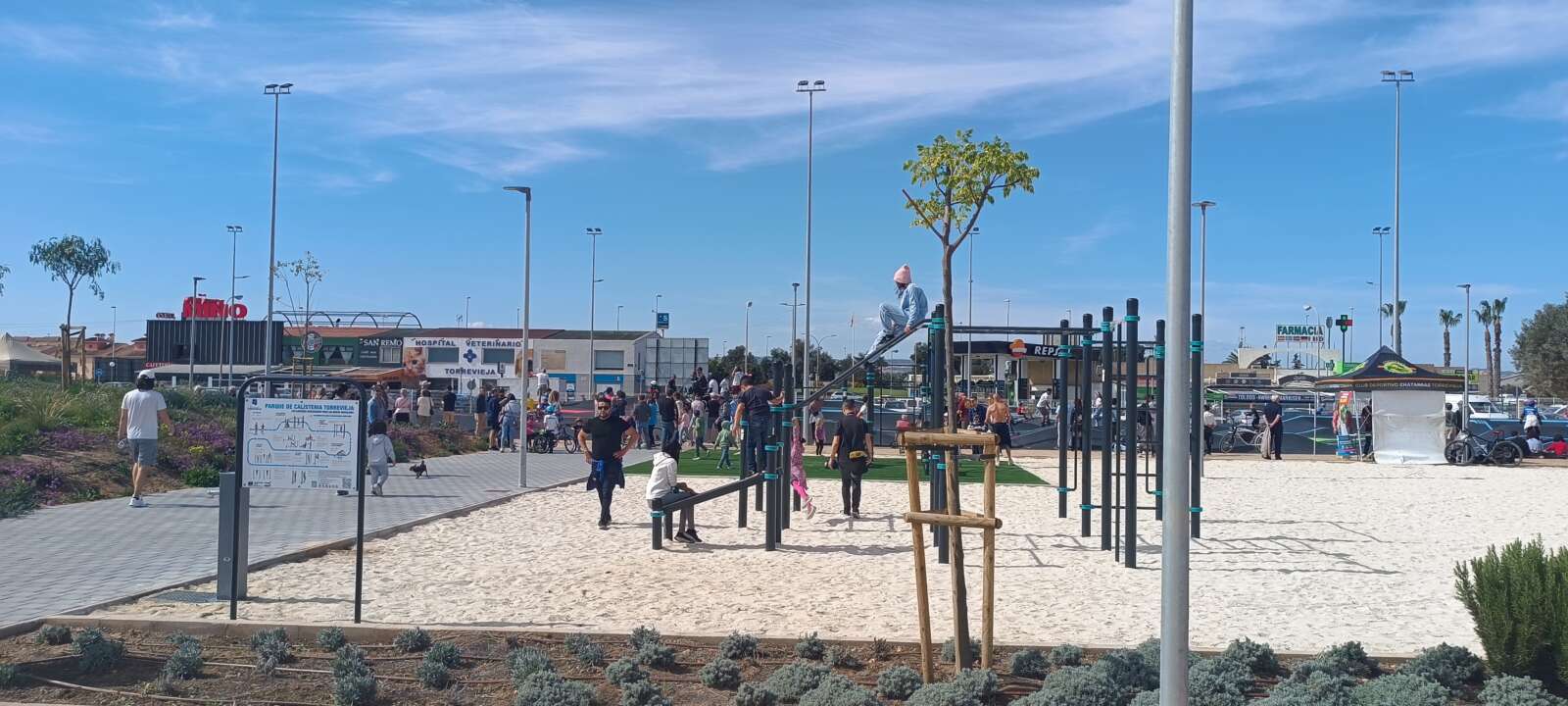
When viewing in La Siesta, consider how close the property is to the places you expect to use and how the immediate street works on foot and by car. The municipal Parque de La Siesta provides a useful local reference point, but proximity and routes should be checked for each address.
In San Luis, test the routes that matter to your routine and compare access, parking, orientation and outdoor space between individual homes. Torrevieja’s current urban transport plan includes a route from the centre to San Luis; the latest stops and timetable should always be confirmed.
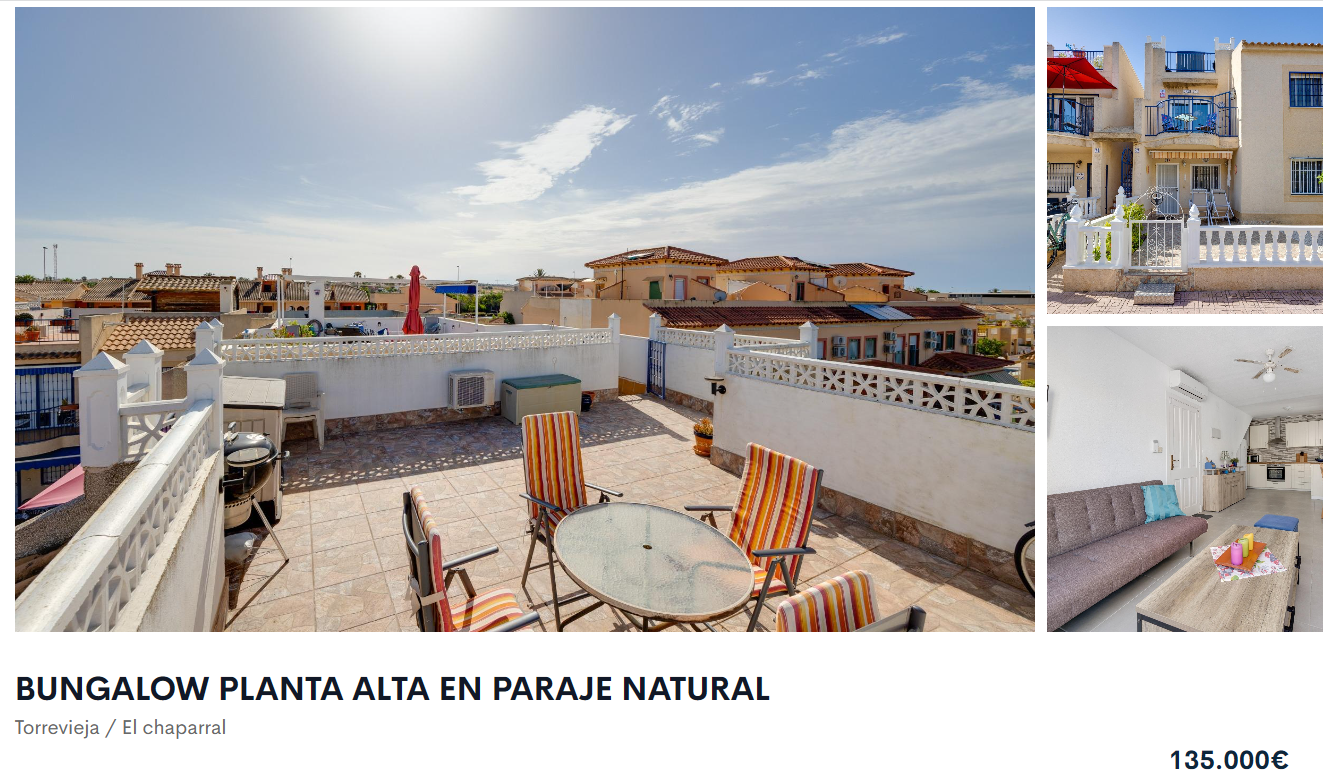
For a property in El Chaparral, look closely at the plot, boundaries, orientation, access and the condition of both indoor and outdoor areas. Any extension, enclosure or alteration should be checked against the relevant documentation before committing to a purchase.
A consistent checklist makes it easier to compare homes across all three areas without being guided only by presentation or first impressions.
Walk the street, observe neighbouring properties and review noise, lighting and activity at a relevant time of day.
Check natural light, shade, ventilation and how terraces, patios or gardens could work across different seasons.
Test the practical arrival route, entrances, steps and parking rather than relying only on the map or listing description.
Review windows, installations, signs of damp, exterior surfaces and the ongoing care required by the property.
If the home belongs to an owners’ community, request its rules, fees, recent decisions and information about possible special assessments.
Confirm ownership, charges, cadastral information and the documentation relevant to the home, including alterations or enclosures.
Important: A viewing checklist is not a substitute for appropriate independent legal or technical advice. The scope of the checks depends on the property and transaction.
Before deciding, write down the journeys and spaces that will shape your use of the home. These may include shopping, healthcare, meeting family, accessing the centre or spending time outdoors.
The new municipal transport network presented in 2026 includes routes serving the La Siesta health centre and San Luis. As implementation is phased, confirm the current route and timetable when assessing a specific property.
A useful brief is more valuable than a long list of generic features.
Explain whether the home will be used throughout the year or for specific periods, who will use it and which requirements are essential. Include your priorities for bedrooms, outdoor space, accessibility, parking, shared facilities and ongoing maintenance.
Fuster & Co can use that brief to help you review current options and organise viewings around consistent criteria.
Tell us how you plan to use the home and which requirements matter most. We can help you focus your search and compare the options currently available.